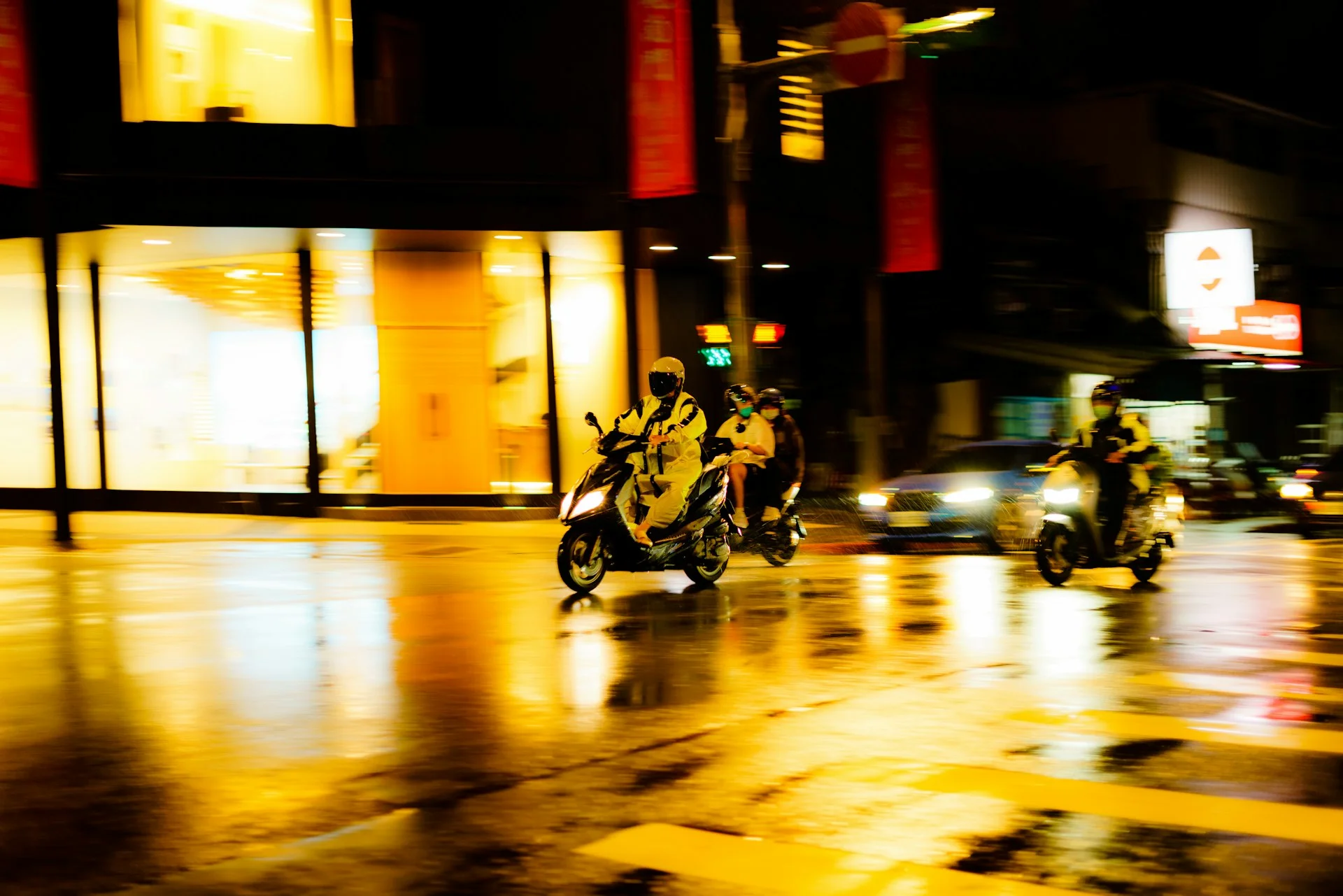
I have lived in Koh Samui my whole life, and the motorbike is still how most people actually get around. Taxis exist, but they are expensive for daily trips. The ring road loops the entire island, the beach roads through Chaweng and Lamai are manageable, and the freedom to stop wherever you like is something a taxi can never give you. For visitors who want to explore beyond the resort, renting a bike for a day or a week is one of the best decisions you can make.
That said, Koh Samui is not a beginner-friendly place to figure things out as you go. The hills are steep, the rainy season turns every corner into a slip hazard, and the stray dogs are entirely comfortable walking into traffic. These tips come from what I tell every student who arrives on the island and wants to rent.
1. Choose a Reputable Rental Shop
Avoid the bikes propped up outside convenience stores with a phone number taped to the seat. Stick to established rental shops with a physical office, a proper contract, and reviews on Google or TripAdvisor. Prices for a standard Honda Click or PCX run 200 to 300 THB per day, sometimes lower for a week-long rental. If someone quotes you 150 THB and waves off the paperwork, that is a sign to walk away. Disputes over pre-existing damage are common, and a contract is your only protection.
2. Inspect the Bike Before You Take the Keys
Walk around the bike with the rental agent and photograph everything: scratches on the panels, chips in the mirrors, scuffs on the footrests. Do it before you sign anything. Check that the brakes respond firmly, the tires have tread and are properly inflated, the horn works, and both indicators flash. A five-minute inspection prevents an argument on the day you return it.
3. Read the Rental Agreement
The two things worth reading carefully are the insurance terms and the damage policy. Some shops offer basic coverage that excludes road accidents; a few offer full coverage for an extra 50 to 100 THB per day. Know what you are responsible for before you leave the lot. If English is limited on their end and Thai is limited on yours, a good phrase to ask is ประกันเต็ม (bprà-gan dtem), which means full insurance. It signals you know what you are asking about.
4. Wear Proper Gear
The rental shop will hand you a helmet. Wear it, and make sure it actually fastens properly. Thailand legally requires helmets, and Koh Samui police do run checks, particularly on the main road through Chaweng. Beyond the helmet, long sleeves, trousers, and closed shoes make a real difference if you come off the bike. I know the heat makes this uncomfortable. It is still worth it.
5. Know the Local Traffic Rules
Thailand drives on the left, which catches out many Western visitors who forget on quiet roads and drift right. The ring road (Route 4169) around the island is generally well maintained, but side roads can narrow without warning. Use your indicators, give way to larger vehicles, and slow down at intersections even when you have the right of way. Nobody here expects you to know every local habit, but predictable riding keeps you safe.
On the topic of your driving licence: an international driving permit is technically required in Thailand for foreigners. Locals will tell you checks are rare, and that is true in my experience. Still, riding without one means your travel insurance may refuse a claim if you have an accident. Get the permit before you arrive. It costs almost nothing at home and removes one complication.
6. Koh Samui-Specific Hazards
A few things are particular to this island and worth knowing before you ride:
- Steep hills. The inland roads through the centre of the island are genuinely steep. If you have not ridden much, stick to the coastal ring road until you are comfortable.
- Sand on curves. Beaches and unpaved side roads deposit sand onto the tarmac, especially near Lamai and the southern coast. A thin layer of sand on a bend behaves like ice.
- Dogs on the road. Stray dogs sleep on warm tarmac and wander across roads without warning. Slow down in villages and near beaches.
- Rainy season. From October through December the roads are wet daily. Give yourself much more braking distance than you think you need, and pull over if visibility drops.
7. Secure Your Belongings
Most scooters have a lockable storage compartment under the seat, large enough for a small bag or a rain jacket. Use it. Do not leave valuables visible on the bike. If the bike comes with a handlebar lock, use that too when you park. Tourist areas like the Chaweng beach strip see occasional opportunistic theft.
8. Fuel Up Early
PTT and Bangchak stations are easy to find along the ring road. Check the gauge when you pick up the bike and agree on whether you return it full or at the same level. Standard gasoline (benzin 91 or 95) is what most scooters take. If you want to ask someone to fill the tank, เติมน้ำมัน (dterm nám-man) is the phrase you need. Smaller roadside stands sell fuel in glass bottles, which works in a pinch but is more expensive.
9. Stay Hydrated and Pace Yourself
Riding in 34-degree heat is more tiring than it feels in the moment. Drink water before you leave, carry a bottle, and stop in the shade when you need to. Fatigue and heat both slow reaction times. The island is small enough that you can see the main spots in a day at a relaxed pace without pushing yourself.
10. Know the Emergency Numbers
Save the rental shop number in your phone the moment you have it. If something goes wrong mechanically, they should be your first call. The Thai emergency number is 191 for police. Tourist Police, who can assist in English, are reachable at 1155. If you are riding in a remote area, tell someone where you are going.
Return in the Condition You Took It
Do a final walk-around before you hand the keys back. This is the same check you did at the start, done again with the agent present. If there is new damage, this is the moment to discuss it with the photos you took. Returning the bike on time and in good condition closes the rental cleanly and avoids any last-minute disputes over your deposit.
Useful Thai Phrases for Renting
You do not need much Thai to rent a bike, but a few words go a long way toward being understood clearly:
เท่าไหร่ต่อวัน
thâo-rài dtàw wan
How much per day?
ประกันเต็ม
bprà-gan dtem
Full insurance
เติมน้ำมัน
dterm nám-man
Fill up the gas
These are just the starting point. The Thai phrases guide has a full collection of practical phrases for travel situations, including asking for directions, negotiating prices, and getting help.
If your time on Koh Samui has sparked something more than a passing interest in the language, that is worth pursuing. In-person Thai lessons on Koh Samui are a good fit for expats and longer-stay visitors who want structured progress while they are here. Or if you would prefer to start with a conversation about your goals, book a free 15-minute consultation and we can work out the right approach from there.